
The Wrong Place to Save Money: Security
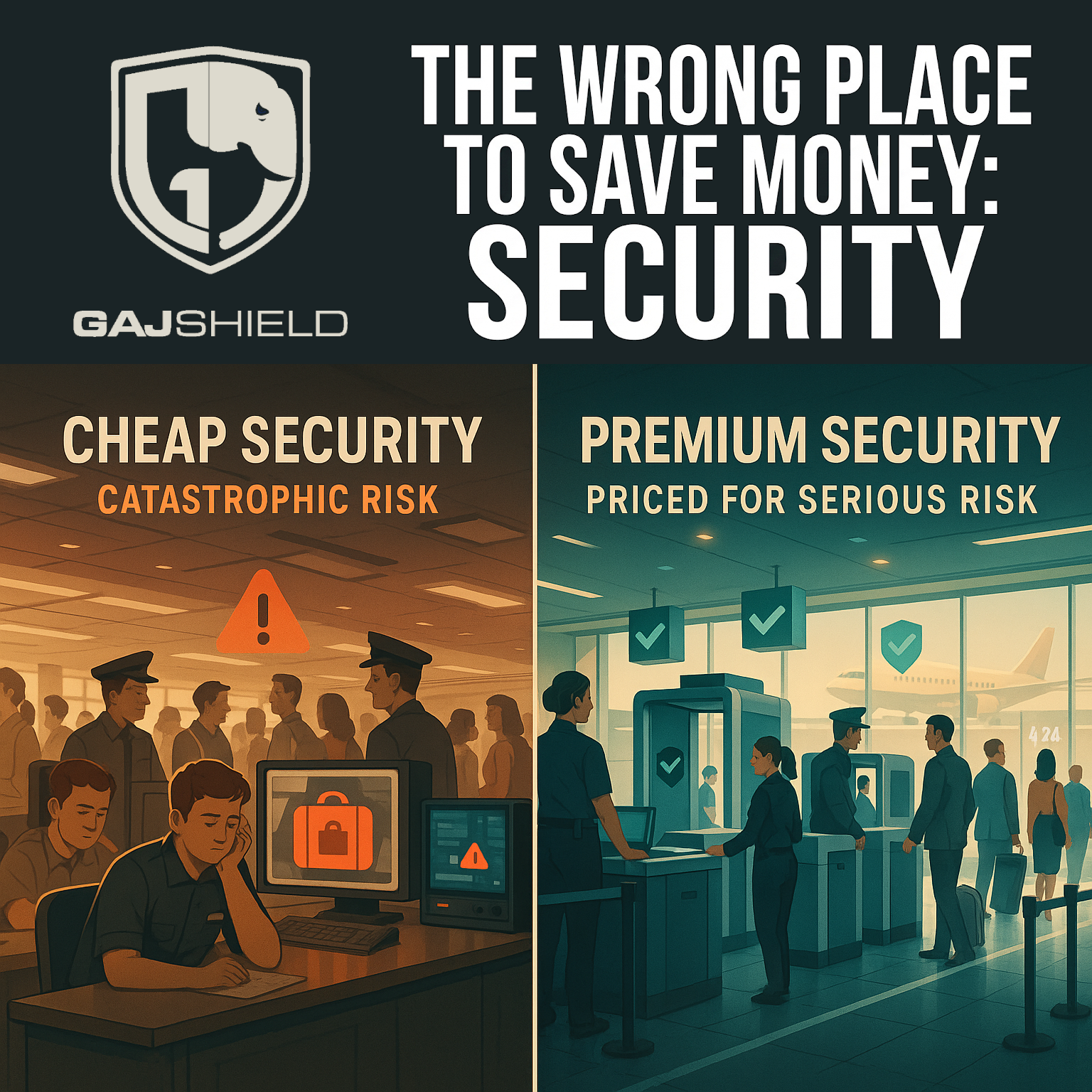
Why “cheaper” security is silently the most expensive decision you’ll make
Every business is under pressure to cut costs.
- You negotiate rent.
- You squeeze vendors.
- You delay upgrades.
That’s normal.
The problem starts when security lands in the same bucket as office furniture and printer cartridges.
“We just need a basic firewall; don’t overdo it.”
“This other vendor is cheaper. They say it’s ‘almost the same’.”
“Why pay for support? We hardly ever call.”
On an Excel sheet, this looks smart. On the day something goes wrong, it looks reckless.
Security is the worst place to save money, and yet, it’s exactly where many businesses are being encouraged to cut corners.
The myth of “almost the same”
There’s a familiar pattern in the market.
You ask for a secure solution. Multiple vendors show up. Everyone uses big words: “enterprise-grade,” “AI-powered,” “next-gen,” “bank-level.”
And then comes the classic line:
“Our solution is almost the same… just cheaper.”
“Almost the same” is doing a lot of heavy lifting in that sentence.
What it often means in reality:
-
A box that looks like a serious security device, but is just basic routing with a fancy label
-
“Free” or bundled security that works fine until anything slightly unusual happens
-
Overseas products hastily repackaged and sold without deep understanding or local support
-
A sales team that disappears the moment the PO is signed
From the outside, all these products look similar: same rack size, same lights blinking, same words on the brochure.
But security is not a box.
Security is the outcome:
-
When something suspicious happens, are you protected?
-
When an employee makes a mistake, is there a safety net?
-
When systems go down, do you have someone who actually understands your environment?
That’s where the gap between “almost the same” and “actually secure” becomes painfully clear.
The hidden bill for “cheap” security
The competition loves to show you only one number: the price tag.
What they don’t show:
1. The cost of downtime
When systems go down because of an attack, no one remembers how much you saved on the firewall.
They remember:
-
Orders not processed
-
Customers stuck and frustrated
-
Teams sitting idle
-
Business owners making apology calls
A slightly cheaper product that fails in a crisis is not cheaper. It’s just a delayed, more expensive bill.
2. The cost of lost trust
Your customers trusted you with their data, their transactions, their business.
After a breach, the real damage isn’t just financial. It’s reputational:
-
“Can they really protect us?”
-
“Should we move to someone more secure?”
Winning new business is hard. Losing it to a preventable security incident is incredibly easy.
3. The cost of poor support
Security is not a one-time purchase.
Threats evolve. Your business changes. Users, locations, and applications keep growing.
When something breaks or behavior looks strange, you need:
-
Someone who picks up the phone
-
Someone who actually understands the product
-
Someone who understands your environment, not just “generic networks”
Cheap solutions often come with cheap support, if any. That’s when your own IT team is forced to become “security experts” overnight, usually at 2 a.m. during an outage.
What low-cost competitors rarely tell you
They won’t say this directly, so let’s translate some common market behavior:
What they say:
“Why pay more? Our device does the same thing.”
Often means:
“We turn on the bare minimum and hope nothing serious happens. If it does, good luck.”
What they say:
“You don’t need all those features, just basic protection.”
Often means:
“Our product can’t do much more anyway, so we’ll convince you that you don’t need it.”
What they say:
“We can match any price.”
Often means:
“The only thing we can compete on is discounting, not on capability, not on service, not on long-term value.”
Real security vendors don’t lead with discounts. Real security vendors lead with:
-
Understanding your business
-
Reducing your risk
-
Keeping you running when others fall
Price still matters, but it’s not the only thing that matters.
Security isn’t an IT expense. It’s business insurance.
Think of security like this:
You’re not buying a “firewall.” You’re buying:
-
Fewer sleepless nights
-
Fewer emergency calls
-
Fewer business interruptions
-
Fewer apologies to customers
You’re not paying for “features.”
You’re paying for:
-
Continuity
-
Protection
-
Confidence
The wrong vendor sells you hardware. The right partner protects your business.
Where you should not compromise
Without being technical, there are areas where cutting cost is simply dangerous:
-
Quality of protection
If a vendor cannot clearly explain how they protect your data and operations in simple language, they probably don’t fully understand it themselves. -
Local understanding & accountability
When something goes wrong, do you get:-
Real people
-
In your time zone
-
Who can actually own the problem
Or do you get ticket numbers, silence, and blame?
-
-
Long-term relationship, not one-time sale
Security is a journey. Threats five years from now will not look like threats today.
You need a partner who plans to grow with you, not someone who just wants to ship a box and move on.
The right way to think about security budgeting
Instead of asking:
“Who is the cheapest?”
Ask:
-
Who will stand with us on the worst day, not just demo day?
-
Who understands that this is about our business, not just their product roadmap?
-
Who can explain risks and protections in business language, not in buzzwords?
The vendor whose only strength is a lower quote is telling you something important:
They have nothing else to offer.
The most expensive lesson
Many businesses discover this too late.
They chose the “value-for-money” option.
They trusted the “almost the same” pitch.
They believed security is a checkbox.
Then one incident erased:
-
Years of reputation
-
Months of revenue
-
All the “savings” from going cheap
Security is not about fear. It’s about respect:
Respect for your data, your customers, your people, your future.
The bottom line
You can save on furniture. You can save on décor. You can save on coffee machines.
Don’t save on security.
The competition may promise you “almost the same” protection at a lower cost. But when it comes to your business, your data, your reputation, there is no “almost” secure. There is secure. And there is exposed.
Choose partners who understand the difference.
Get In Touch With Us
Subscribe to our Newsletter
2026 © GajShield Infotech (I) Pvt. Ltd. All rights reserved.